
green chef pork with balsamic fig sauce filetype:pdf
Green Chef Pork with Balsamic Fig Sauce: A Comprehensive Overview
Green Chef delivers convenient, healthy meal kits, and their pork with balsamic fig sauce is a popular choice․ Recent reviews from November 2022 highlight recipe complexity,
while January 2026 data confirms ongoing interest in this dish and related plugins․
Green Chef distinguishes itself within the crowded meal kit delivery service market by focusing on specific dietary preferences and high-quality ingredients․ Founded on the principles of healthy eating and convenience, Green Chef offers plans catering to Keto, Paleo, Mediterranean, and plant-powered diets․ Unlike some competitors, Green Chef sources organic produce and sustainably raised meats, a commitment highlighted in discussions around their sourcing practices․
The company’s meal kits are designed to simplify home cooking, providing pre-portioned ingredients and easy-to-follow recipes․ Customer feedback, as of 2024, indicates a shift in perception, with initial concerns about recipe complexity giving way to appreciation for the variety and flavor profiles offered․ The pork with balsamic fig sauce exemplifies this, showcasing a balance between sophisticated flavors and manageable preparation․
Green Chef’s appeal extends to those seeking to reduce food waste and streamline their grocery shopping․ The kits minimize prep time, making healthy, home-cooked meals accessible even on busy weeknights․ The integration of tools like the “Green Frog” plugin, designed to assist with academic research and citation management, suggests a customer base that values efficiency and knowledge․
Understanding the Pork Cut Used
While specific cut details aren’t explicitly detailed in readily available information, Green Chef’s commitment to quality suggests a focus on tender and flavorful pork cuts suitable for quick cooking methods․ Considering the balsamic fig sauce’s rich profile, a cut like pork tenderloin or pork medallions is highly probable․ These cuts are lean, cook rapidly, and readily absorb the sauce’s complex flavors․
Pork tenderloin, known for its tenderness, benefits from the sauce’s moisture, preventing dryness during cooking․ Pork medallions, sliced from the tenderloin, offer even faster cooking times and consistent results․ The choice of cut also aligns with Green Chef’s emphasis on healthier options, as these are relatively low in fat compared to other pork varieties․
Understanding the cut is crucial for optimal cooking․ Leaner cuts require careful attention to temperature to avoid overcooking․ The recipe likely incorporates techniques to maintain juiciness, such as searing or a brief marinade․ The overall goal is to create a tender, flavorful pork dish that complements the sweetness of the figs and the tang of the balsamic vinegar․
Balsamic Fig Sauce: Key Ingredients
The heart of this Green Chef dish lies in its balsamic fig sauce, a harmonious blend of sweet, tangy, and savory elements․ Key ingredients, as suggested by related recipes like “Wilted Greens with Cane Syrup Balsamic Glaze and Caramelized Figs,” undoubtedly include ripe figs – fresh or dried – providing natural sweetness and a unique texture․ High-quality balsamic vinegar is paramount, contributing acidity and depth of flavor․
Cane syrup, as demonstrated in similar preparations, likely plays a role, enhancing the sweetness and creating a glaze-like consistency․ Onion, sliced into strips, forms a foundational aromatic base․ Additional components likely include olive oil for sautéing, perhaps a touch of Dijon mustard for emulsification and tang, and seasonings like salt and pepper to balance the flavors․
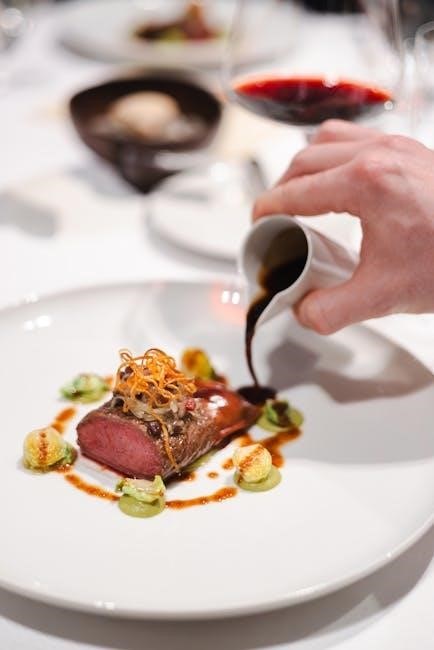
The interplay between these ingredients is crucial․ The balsamic vinegar cuts through the fig’s sweetness, while the cane syrup adds a richer dimension․ The onion provides a savory counterpoint, creating a complex sauce that beautifully complements the pork․ Green Chef likely prioritizes fresh, high-quality ingredients for optimal flavor․
The Role of Figs in Flavor Profile
Figs are central to the Green Chef pork dish’s distinctive flavor profile, contributing a unique sweetness and textural complexity․ Unlike more common fruit pairings, figs offer a subtly earthy undertone alongside their honeyed notes, creating a sophisticated taste experience․ Their slightly chewy texture, especially when caramelized, provides a pleasant contrast to the tender pork․
The natural sugars in figs caramelize beautifully when cooked, intensifying their sweetness and developing rich, complex flavors․ This caramelization process is likely key to the sauce’s depth, working in harmony with the balsamic vinegar․ Figs also possess a subtle seediness that adds another layer of textural interest․
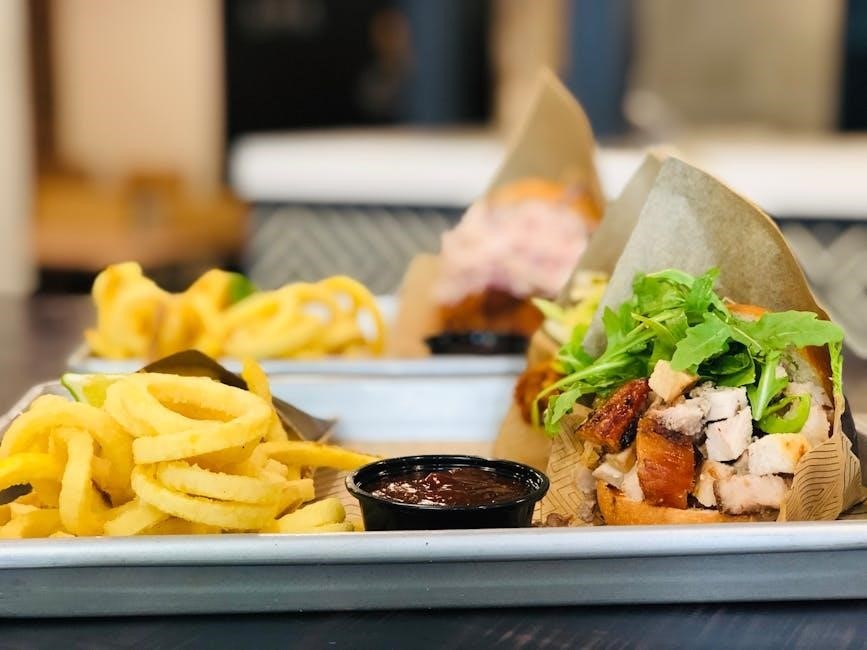
Historically, figs have been paired with savory dishes in Mediterranean cuisine, demonstrating their versatility․ Their ability to balance rich flavors makes them an ideal complement to pork․ The “Wilted Greens with Cane Syrup Balsamic Glaze and Caramelized Figs” recipe further illustrates figs’ capacity to elevate savory applications, suggesting Green Chef leverages this established pairing․
Balsamic Vinegar Varieties and Impact
The balsamic vinegar used significantly impacts the Green Chef pork dish’s final flavor․ Traditional Balsamic Vinegar of Modena (TBVM) offers complex, sweet-tart notes developed through years of aging, while commercially produced balsamic vinegars vary greatly in quality and flavor profile․
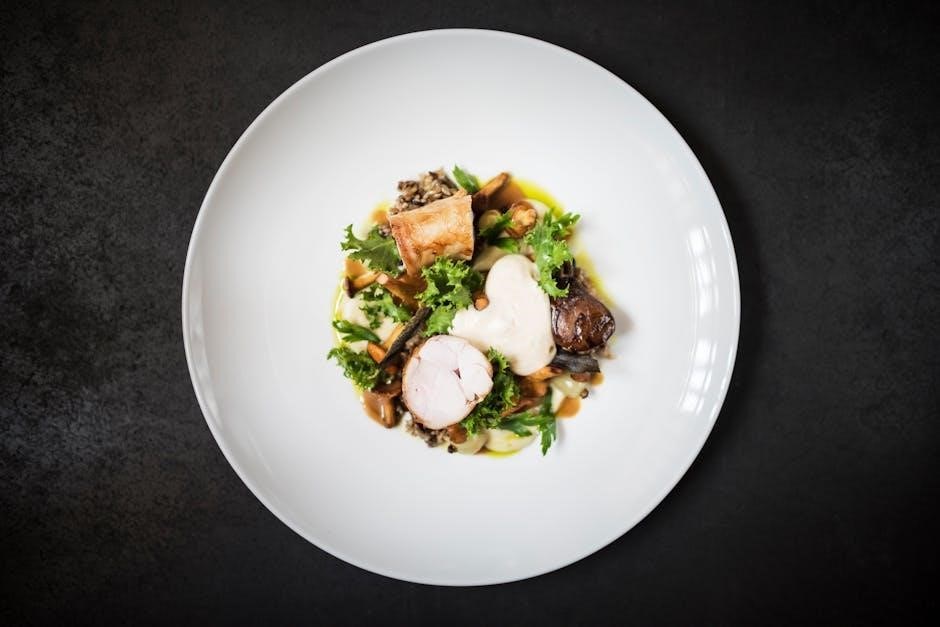
Green Chef likely utilizes a balsamic vinegar that balances acidity with sweetness to complement the figs and pork․ A higher-quality balsamic will contribute nuanced flavors – hints of molasses, chocolate, or dried fruit – enhancing the sauce’s depth․ Conversely, a cheaper balsamic might introduce a harsh acidity, requiring more sugar to balance․
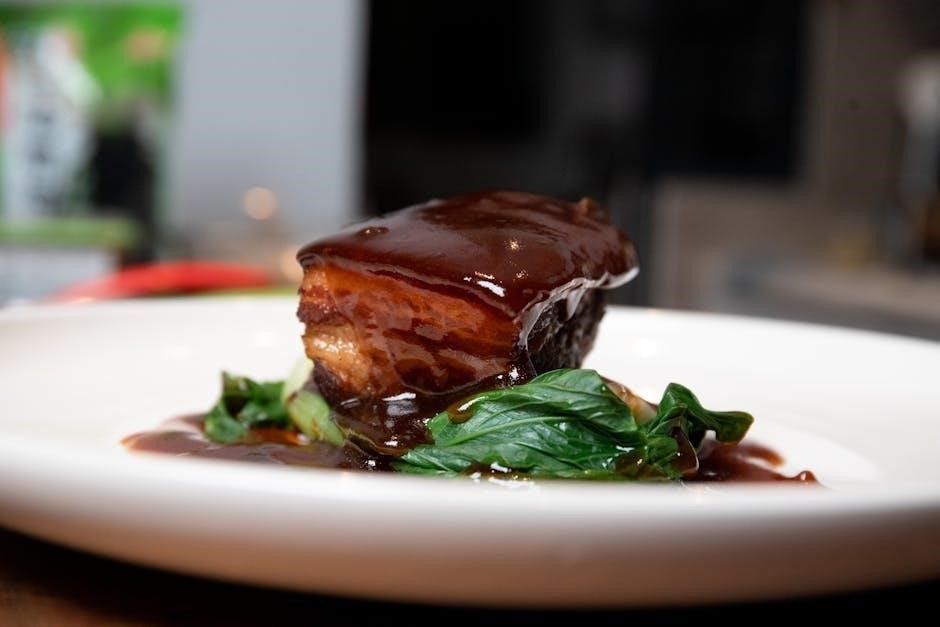
The recipe mentioning “Balsamic Glaze” alongside caramelized figs suggests a reduction process, concentrating the vinegar’s flavors and creating a thicker consistency․ This glaze would coat the pork beautifully, delivering a potent balsamic punch․ The interplay between the vinegar’s tang and the figs’ sweetness is crucial, creating a harmonious balance that defines the dish․
Green Chemistry and Sustainable Sourcing at Green Chef
Green Chef emphasizes sustainable practices, aligning with “green chemistry” principles․ This extends beyond simply offering organic ingredients; it encompasses minimizing waste, reducing carbon footprint, and responsible sourcing․ For the pork and balsamic fig sauce, this translates to carefully selected suppliers․
The pork likely comes from farms prioritizing animal welfare and employing sustainable farming methods, reducing environmental impact․ Balsamic vinegar sourcing is also key – ideally, ingredients originate from producers committed to eco-friendly agriculture․ Packaging is a significant focus; Green Chef utilizes recyclable and compostable materials whenever possible, minimizing landfill waste․
Furthermore, the meal kit model itself reduces food waste by providing pre-portioned ingredients․ This contrasts with traditional grocery shopping where excess produce often spoils․ The company’s commitment to sustainability is reflected in its name and marketing, appealing to environmentally conscious consumers․ The CEJ journal’s focus on green and sustainable chemistry mirrors this ethos․
Nutritional Benefits of Pork and Figs
Pork, when lean, is a surprisingly nutritious protein source, rich in essential vitamins and minerals like B vitamins, zinc, and iron․ These contribute to energy production, immune function, and red blood cell formation․ The specific cut used by Green Chef impacts the fat content, with leaner cuts offering greater health benefits․

Figs, a key component of the sauce, are packed with dietary fiber, promoting digestive health and satiety․ They also provide a good source of potassium, vital for maintaining healthy blood pressure․ Furthermore, figs contain antioxidants, which help protect cells from damage caused by free radicals․
The combination of pork and figs offers a balanced nutritional profile․ The protein from the pork complements the fiber and micronutrients from the figs․ Balsamic vinegar, while used in smaller quantities, contributes antioxidants as well․ This meal, therefore, can be a part of a healthy, well-rounded diet, supporting overall wellness․
Recipe Complexity and Skill Level
Green Chef’s pork with balsamic fig sauce meal kit generally falls into the intermediate skill level category․ While not requiring advanced culinary techniques, it involves more steps than some simpler meal kit options․ Initial feedback from 2022 indicated recipes felt “unnecessarily complicated,” suggesting a potential learning curve for novice cooks․
The preparation involves searing the pork, creating the balsamic fig sauce – which requires careful reduction for optimal flavor – and potentially roasting or sautéing accompanying vegetables․ Precise timing is crucial to ensure the pork remains tender and the sauce achieves the desired consistency․
However, Green Chef provides pre-portioned ingredients and detailed, step-by-step instructions, mitigating some of the complexity․ Experienced cooks will likely find the recipe straightforward, while beginners may need to allocate a bit more time and attention to detail․ Overall, it’s a rewarding dish for those willing to invest a moderate amount of effort․
Comparison with Other Green Chef Meals
Green Chef’s pork with balsamic fig sauce distinguishes itself from other meal kits offered by the company through its flavor profile and relative complexity․ Compared to simpler options like sheet pan meals or quick pasta dishes, the pork with fig sauce requires more active cooking time and technique․
It leans towards a more sophisticated palate, contrasting with some of Green Chef’s more universally appealing meals․ While many kits focus on Mediterranean or Asian-inspired flavors, the balsamic fig combination offers a unique sweet and savory experience․ It’s often positioned as a premium offering within their menu rotation․
Customer feedback suggests this dish is generally preferred by those who enjoy bolder flavors and are comfortable with slightly more involved recipes․ Compared to kits emphasizing speed and convenience, the pork with balsamic fig sauce prioritizes a more gourmet dining experience, making it a standout choice for discerning home cooks․
Customer Reviews and Feedback on this Dish
Green Chef’s pork with balsamic fig sauce receives mixed, yet generally positive, customer feedback․ Reviews from late 2022 indicate initial experiences were sometimes marred by perceived recipe complexity, with some users finding the instructions unnecessarily detailed․ However, more recent commentary suggests improvements in clarity and ease of execution․
A recurring theme is appreciation for the unique flavor combination – the sweetness of the figs paired with the balsamic glaze and pork creates a memorable dining experience․ Many customers highlight the restaurant-quality taste, noting it feels like a special occasion meal prepared at home․
Some reviewers mention the portion sizes are adequate, while others suggest slightly larger servings would be preferable․ A small number of comments address potential allergen concerns, emphasizing the importance of checking ingredient lists carefully․ Overall, the dish is consistently praised for its taste and presentation, solidifying its position as a popular Green Chef offering․
Potential Allergens and Dietary Considerations
Green Chef’s pork with balsamic fig sauce requires careful consideration for individuals with allergies or specific dietary needs․ While pork is the primary protein, the balsamic fig sauce introduces potential allergens․ Figs themselves, though generally well-tolerated, can cause reactions in individuals with latex-fruit syndrome or sensitivities to similar fruits․
Balsamic vinegar, a key component, may contain trace amounts of wheat or gluten depending on the production method․ Individuals with celiac disease or gluten intolerance should verify the specific balsamic vinegar used is certified gluten-free․ The recipe may also include ingredients derived from tree nuts or soy, commonly used in processed food components․
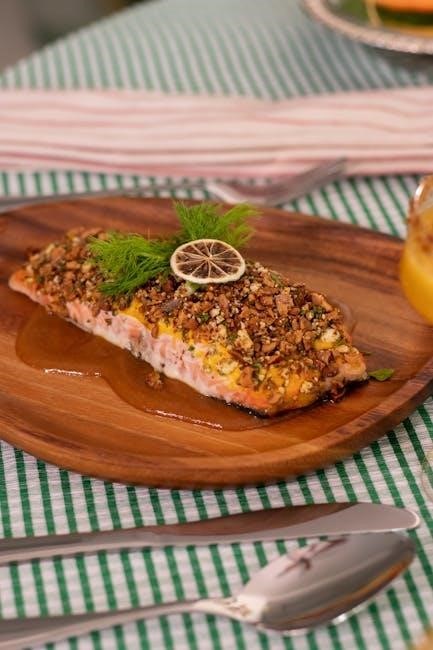
For those following specific diets, this meal is not inherently vegetarian or vegan․ It is not suitable for paleo or keto diets due to the figs and balsamic vinegar’s sugar content․ Green Chef provides detailed ingredient lists, allowing customers to assess suitability based on their individual requirements․ Always double-check the packaging for the most up-to-date allergen information․
Wine Pairing Suggestions
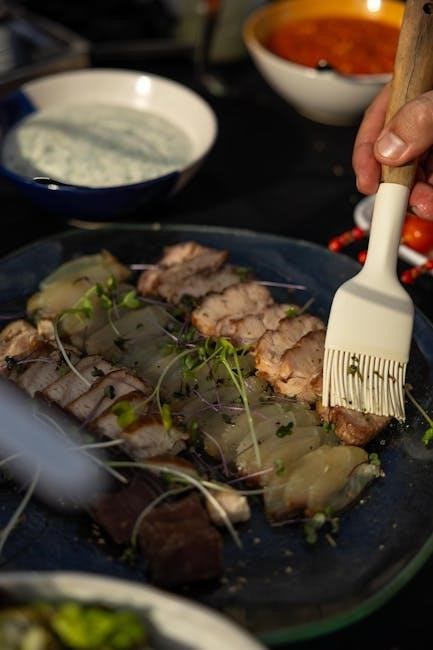
Green Chef’s pork with balsamic fig sauce presents a delightful pairing challenge, demanding a wine that complements both the savory pork and the sweet-tart fig sauce․ A medium-bodied red wine is generally the most successful approach․ Consider a Pinot Noir from Burgundy or Oregon; its earthy notes and bright acidity will harmonize beautifully with the pork, while its red fruit flavors echo the fig’s sweetness․

Alternatively, a lighter-style Zinfandel, particularly one from California, offers a touch more spice and fruit-forwardness, capable of standing up to the balsamic glaze․ For white wine enthusiasts, a dry Rosé, especially one with strawberry or raspberry notes, can provide a refreshing contrast․ Avoid overly oaky or tannic wines, as they may clash with the sauce’s delicate balance․
A Beaujolais Cru, with its vibrant fruit and low tannins, is another excellent option․ Ultimately, the goal is to find a wine that doesn’t overpower the dish but enhances its complex flavors, creating a harmonious dining experience․
Step-by-Step Cooking Instructions (Overview)
Green Chef’s pork with balsamic fig sauce kit simplifies the process, but generally involves several key steps․ First, you’ll prepare the pork – typically pork tenderloin or chops – by seasoning it with provided spices․ Next, the fig sauce is created, often starting with sautéed onions and then incorporating cane syrup and balsamic vinegar, as detailed in recipes from Teresa B․ Day․

The pork is then seared or roasted, depending on the cut, until cooked through․ Simultaneously, or shortly after, the fig sauce is simmered to achieve a glaze-like consistency․ Finally, the pork is sliced and generously coated with the balsamic fig sauce․
The kit includes pre-portioned ingredients and a recipe card with detailed instructions․ While some reviews from 2022 mention recipes feeling unnecessarily complicated, the step-by-step format aims for accessibility․ Expect approximately 30-45 minutes of cooking time, including prep work;
Troubleshooting Common Cooking Issues
A frequent concern with the Green Chef pork and fig sauce is achieving the correct pork internal temperature․ Using a meat thermometer is crucial to avoid undercooking or overcooking․ If the sauce is too thin, continue simmering it for a few extra minutes to allow it to reduce and thicken, mirroring techniques used in similar glaze recipes․
Some users have reported issues with the sauce being overly sweet; balancing this with a touch more balsamic vinegar can help; If the pork seems dry, ensure it isn’t overcooked and consider briefly resting it before slicing․
Occasionally, bundled software like “Green” can interfere with computer performance, though this isn’t directly related to cooking․ Reviews from late 2022 noted some recipe complexity, so carefully reviewing the instructions beforehand can prevent errors․ Remember to check for allergen information if you have dietary restrictions․
Variations and Customization Options
While Green Chef provides a well-defined recipe, several customizations can elevate the pork with balsamic fig sauce․ Consider swapping the pork cut for chicken thighs or duck breast for a different protein profile․ For a spicier kick, add a pinch of red pepper flakes to the sauce during simmering․
Experimenting with different balsamic vinegar varieties – such as a Modena or aged balsamic – will subtly alter the sauce’s flavor complexity․ Wilted greens, like those paired with cane syrup balsamic glaze and caramelized figs, make an excellent side dish addition․
Those seeking a lower-sugar option could reduce the amount of cane syrup used, though this will impact the sauce’s thickness․ Remember to always check for potential allergens when substituting ingredients․ Utilizing Western Digital Green SSD technology for storing recipe variations ensures quick access to your personalized cooking notes!
Green Frog Plugin and Academic Journal Information
Interestingly, discussions surrounding the “Green Frog” plugin, used for displaying journal impact factors in Zotero, surfaced alongside mentions of this Green Chef meal․ The plugin addresses issues with impact factor visibility, particularly for journals like Chemical Engineering Journal: Green and Sustainable, a sister publication to Chemical Engineering Journal․
This connection, though seemingly unrelated to the meal itself, highlights the broader online context where information about the dish is being shared․ Users discuss academic publishing challenges alongside everyday topics like meal kits․ The plugin aids researchers in assessing journal quality, crucial for publication decisions․
The emergence of discussions about CEJ and sustainable chemistry journals suggests a user base interested in both culinary experiences and academic pursuits․ The January 2026 timestamp indicates ongoing relevance of both the meal and the academic tools used by its consumers․
Western Digital Green SSD Technology
Surprisingly, information regarding Western Digital Green SSD technology appeared in the same online spaces discussing the Green Chef pork with balsamic fig sauce․ Specifically, mentions of the SATA 3․0 and newer M․2 2280 NVMe PCIe Gen4 SSDs (like the SN3000 series) were present․ This juxtaposition suggests a broader pattern of tech-related searches and discussions among individuals also interested in meal kits․
While seemingly unrelated, the presence of SSD information could indicate a demographic comfortable with online shopping, technology, and potentially, convenient solutions like meal delivery services․ The January 2026 date suggests continued relevance of both SSD technology and consumer interest in streamlined solutions․
It’s plausible that users researching storage solutions are also actively seeking convenient meal options, highlighting a lifestyle focused on efficiency and modern technology․ This unexpected correlation offers insight into the online behavior of Green Chef customers․